Understanding the Ground Beneath Every Structure
JMt Engineering is an independent educational resource on geotechnical engineering: soil behavior, foundations, site investigations, and the history of the field.
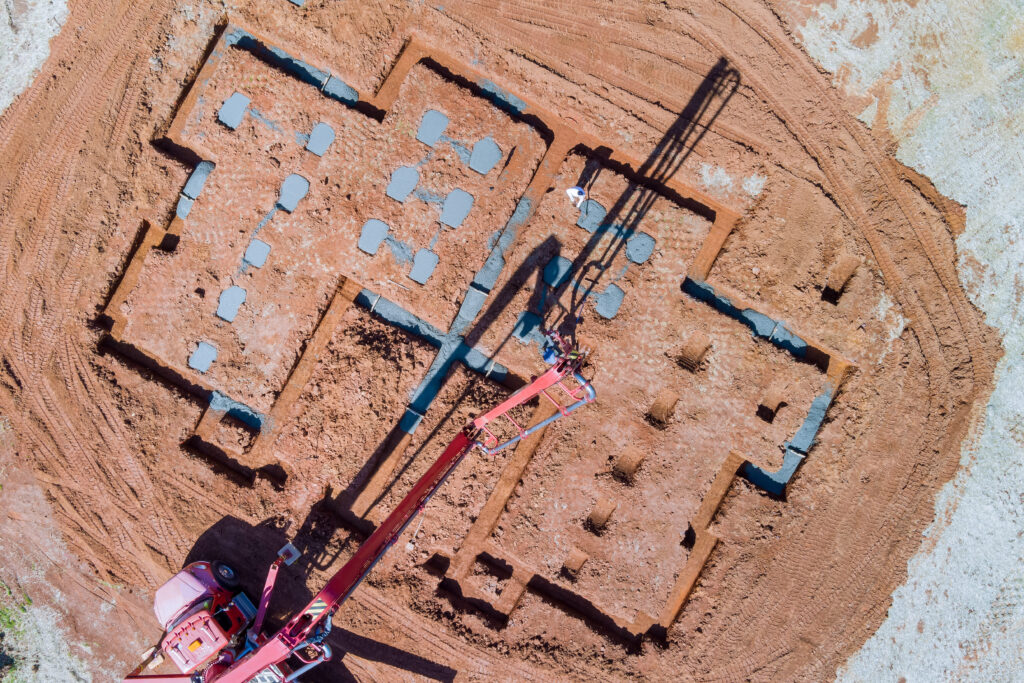
Every building, bridge, and road eventually rests on soil or rock. Before a single beam is set or a foundation is poured, engineers need to understand what lies beneath the surface, how it behaves under load, how it responds to water, and how it will hold up over time. That study is called geotechnical engineering, and it is the subject of this site.
This site is built for anyone curious about the ground we build on: students working through their first soil mechanics course, construction professionals looking for a clear refresher, and curious readers who simply want to understand how the built world works.
This site does not offer professional design services, project consultations, or engineering advice for specific sites or structures. Any real-world geotechnical question tied to an actual project should always be directed to a licensed professional engineer.
What You Will Find Here
This site is organized around the core building blocks of geotechnical engineering. Each area below links to articles that go deeper, with more added regularly.
Soil Behavior and Mechanics
Soil is not a fixed, uniform material. It compresses, shears, drains, and shifts differently depending on its composition and moisture content. Understanding these behaviors, from how sand settles under load to how clay swells when wet, is the starting point for almost every geotechnical decision.
Foundations and Structural Support
Every structure needs a way to transfer its weight safely into the ground. Which foundation type makes sense, shallow footings, mat foundations, or deep piles driven to more competent soil, depends entirely on what a site investigation reveals about the subsurface conditions.
Site Investigation and Subsurface Exploration
Before any design work happens, engineers need real data: soil borings, sampling, and laboratory testing that reveal what is actually beneath a site rather than what might be assumed. This investigative phase is where geotechnical engineering earns its reputation as an applied science.
The History and Development of the Field
From ancient trial-and-error building techniques to Karl Terzaghi’s formalization of soil mechanics in the 1920s, geotechnical engineering has a specific and traceable history worth understanding on its own terms.
Common Questions
What does a geotechnical engineer actually do?
Broadly, they investigate subsurface soil and rock conditions and use that information to guide the design of foundations, retaining structures, slopes, and earthworks so that a project performs safely on the ground it is built on.
Is geotechnical engineering the same as civil engineering?
Not exactly. Geotechnical engineering is a specialized sub-discipline within civil engineering, focused specifically on soil and rock behavior, rather than the broader scope of structures, transportation, or water systems.
Why can't the same foundation design be used everywhere?
Because soil conditions vary significantly, even across a single site. A foundation type that performs well on dense sand may settle unpredictably on soft clay a short distance away, which is why site-specific investigation matters so much.
Where should I start if I am new to this subject?
The article “What Is Geotechnical Engineering?” is written as a beginner-friendly starting point, with the other articles building on it from there.
Explore the Site
A beginner-friendly introduction to the discipline: what it covers, why it matters, and how engineers approach it.
From ancient builders to Karl Terzaghi and the birth of modern soil mechanics.
Gravel, sand, silt, and clay behave very differently underground. Here is why that matters for design.